Vision
Building Neighborhoods, Not Just Buildings
Individual buildings matter less than how they relate to what surrounds them. Architecture is ultimately about creating urban fabric, not isolated objects.
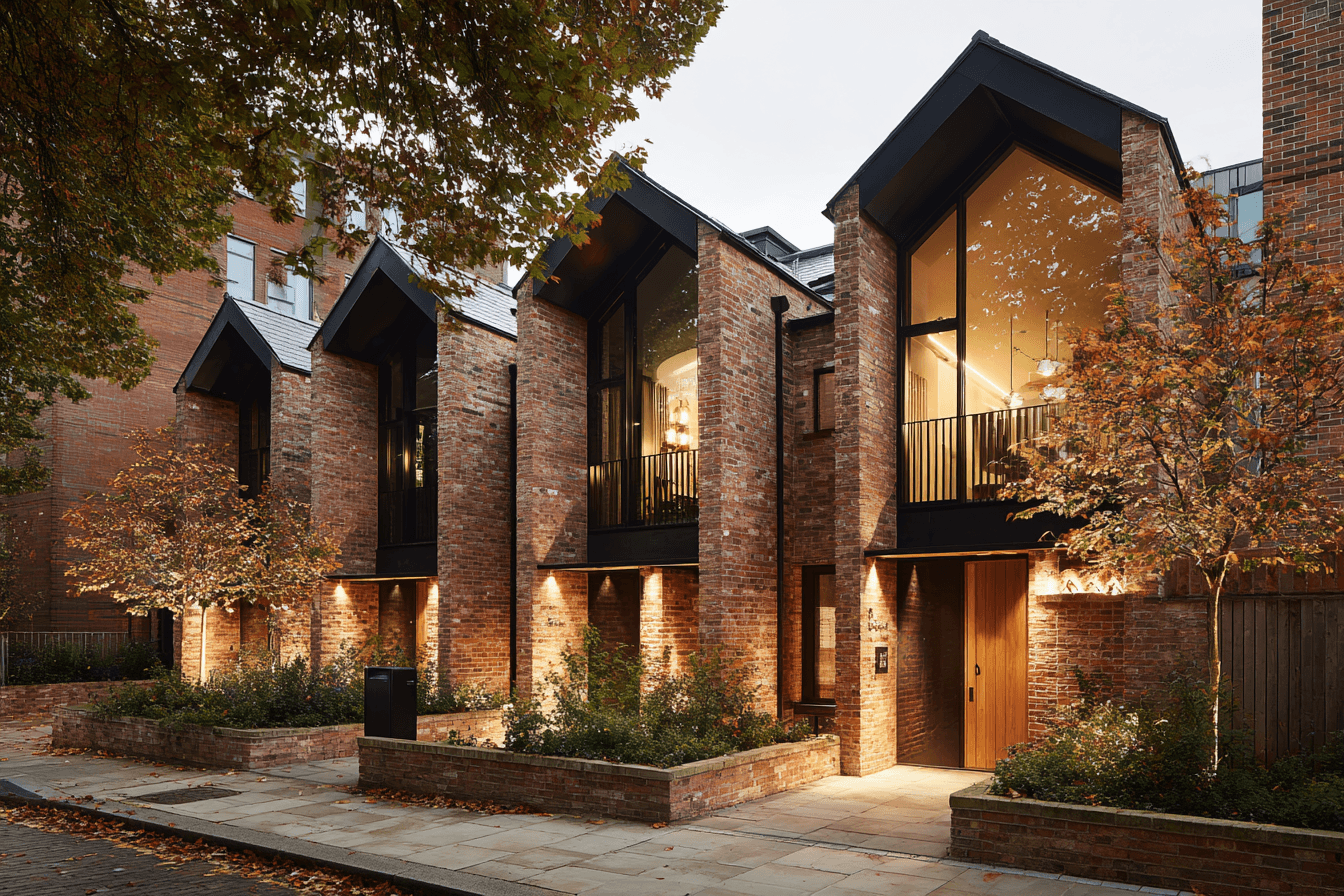
Too many developments are conceived as self-contained projects. They solve internal requirements—parking, amenity space, unit mix—but ignore their urban context. The result is buildings that turn their backs on the street, create dead frontages, and contribute nothing to neighborhood vitality.
We approach every project as urban design first, building design second. What does the street need? How do people move through this area? Where are the public gathering points? These questions shape our architecture before we consider floor plans or facade treatments.
Ground floors determine whether streets feel alive or abandoned. Active frontages with shops, cafes, or visible activity create eyes on the street and reasons for people to be there. Blank walls, parking entrances, and setback lobbies deaden neighborhoods. This isn't theoretical. Walk through any city and you feel the difference immediately.
Buildings should define streets clearly rather than floating in leftover space. European cities feel coherent because buildings align to create outdoor rooms. Streets become places, not just circulation routes. This requires discipline about building placement and willingness to prioritize street presence over maximum internal efficiency.
Public space quality matters more than quantity. A well-designed square that's genuinely public and properly maintained becomes a community asset. Leftover gaps between buildings labeled as public space serve no one. We'd rather create less external space that actually functions than sprawling areas that remain empty.
Mixed-use development creates neighborhoods that work throughout the day. People living, working, and shopping in the same area reduces car dependency and creates street vitality. This requires commercial ground floors that actually attract tenants, not token retail spaces that sit vacant.
Architecture should contribute to the commons. This means creating buildings that improve their surroundings, not just serve their occupants. Sometimes this requires sacrificing internal efficiency for better street presence. These trade-offs favor long-term neighborhood quality over short-term project optimization.