Vision
Why Brick Still Matters
In an industry obsessed with novelty, we remain committed to one of humanity's oldest building materials.
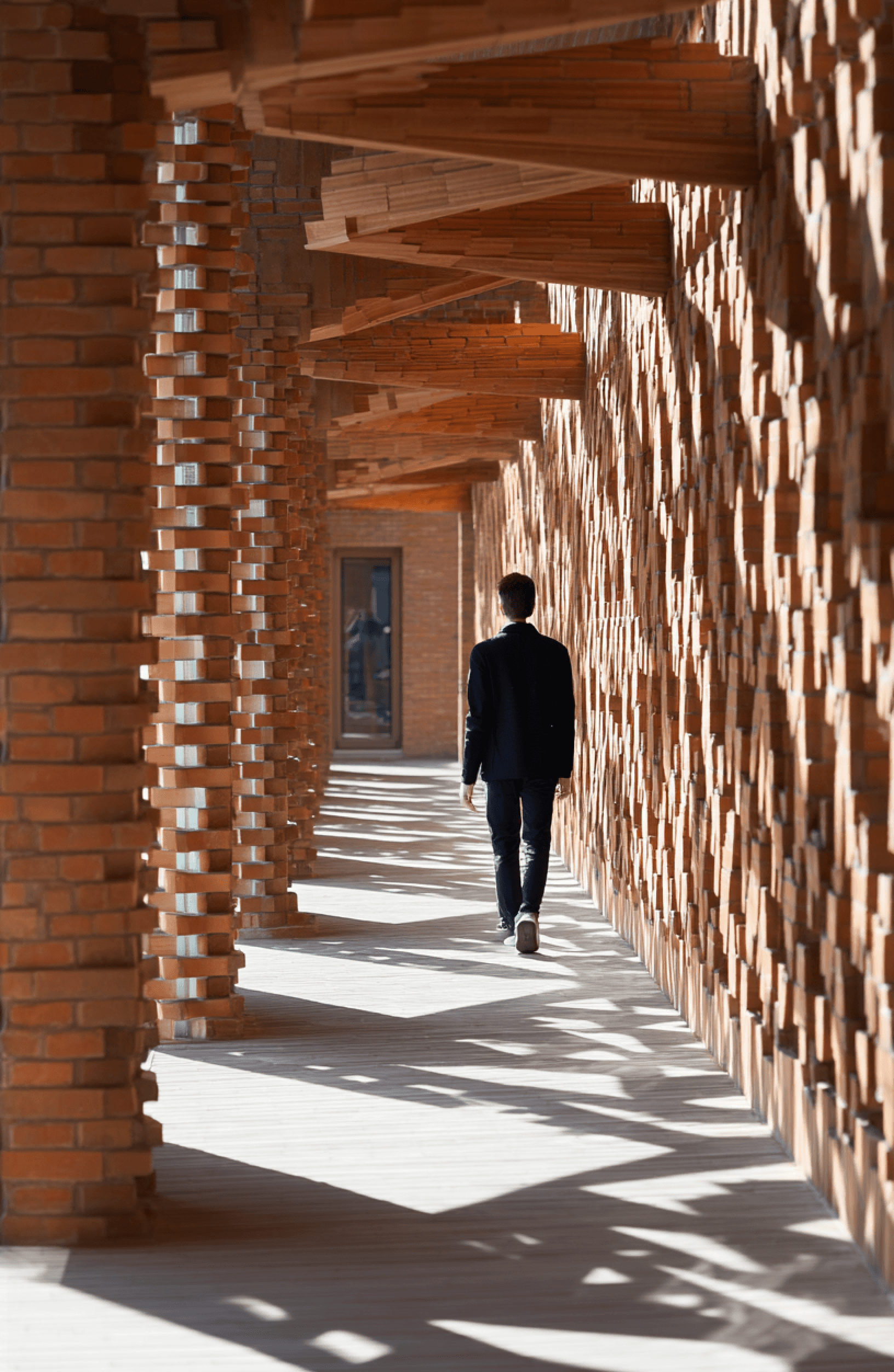
Brick has shaped European cities for centuries. Walk through any historic district and you're surrounded by buildings that have stood for generations, weathering beautifully and requiring minimal maintenance. These structures weren't preserved in museums. They continue to house people, businesses, and institutions. They adapt to changing uses while maintaining their essential character.
Contemporary architecture often treats materials as cladding systems. Structure happens behind the scenes, hidden by surfaces that can be swapped out when fashions change. We reject this approach. When we use brick, it's doing real work. The material provides thermal mass that moderates internal temperatures. It offers acoustic privacy between units. It ages gracefully rather than deteriorating.
The environmental case for brick is straightforward. Proper brick construction lasts for centuries with minimal intervention. Compare this to many contemporary building systems that require replacement within decades. The embodied carbon calculation must account for lifespan. A material that performs well for two hundred years has distributed its environmental impact across generations.
Brick also responds to climate intelligently. In Northern Europe, thermal mass helps buildings retain heat during cold months and stay cool during summer. The material breathes, allowing moisture to dissipate rather than trapping it behind impermeable barriers. This reduces condensation problems and creates healthier internal environments.
We're not romanticizing traditional construction. Modern brickwork benefits from contemporary structural engineering, improved mortars, and better understanding of thermal bridging. We use brick because it performs exceptionally well when detailed properly, not because we're chasing some imagined past.
The material forces discipline. You cannot fake brick construction. The logic of bonding patterns and structural requirements is visible. This honesty extends to how we approach design more broadly. If a material expresses what it actually does, the architecture gains integrity.
Takeaways
Buildings should outlast their creators. Brick construction, executed properly, ensures that they will. This isn't about style or aesthetics primarily. It's about creating structures that serve multiple generations without requiring constant intervention. In a culture of planned obsolescence, building for permanence is increasingly radical.
Next Thought
Building Neighborhoods, Not Just Buildings
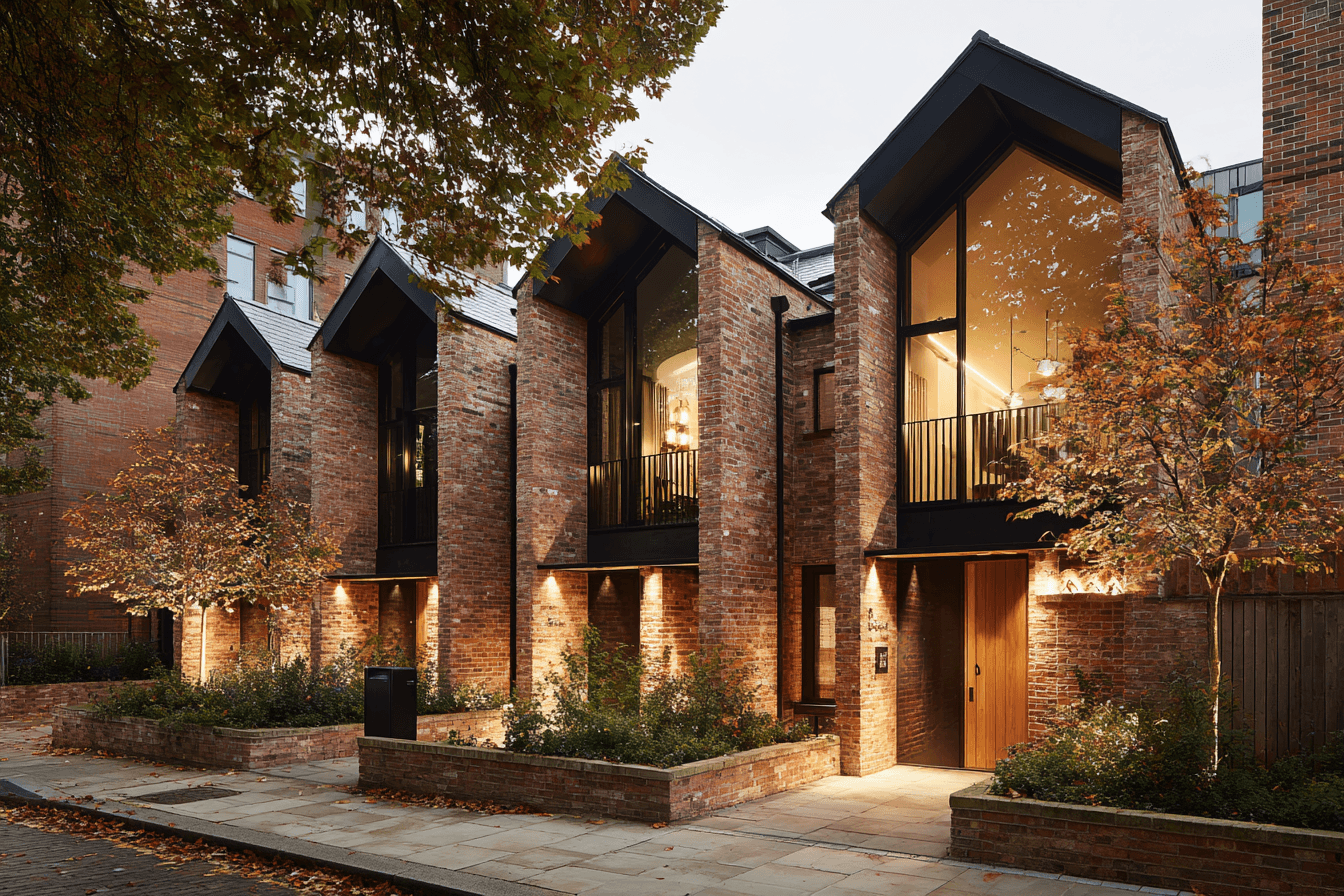
Individual buildings matter less than how they relate to what surrounds them. Architecture is ultimately about creating urban fabric, not isolated objects.